Internal Ply Bond Tester (Manual Type) About
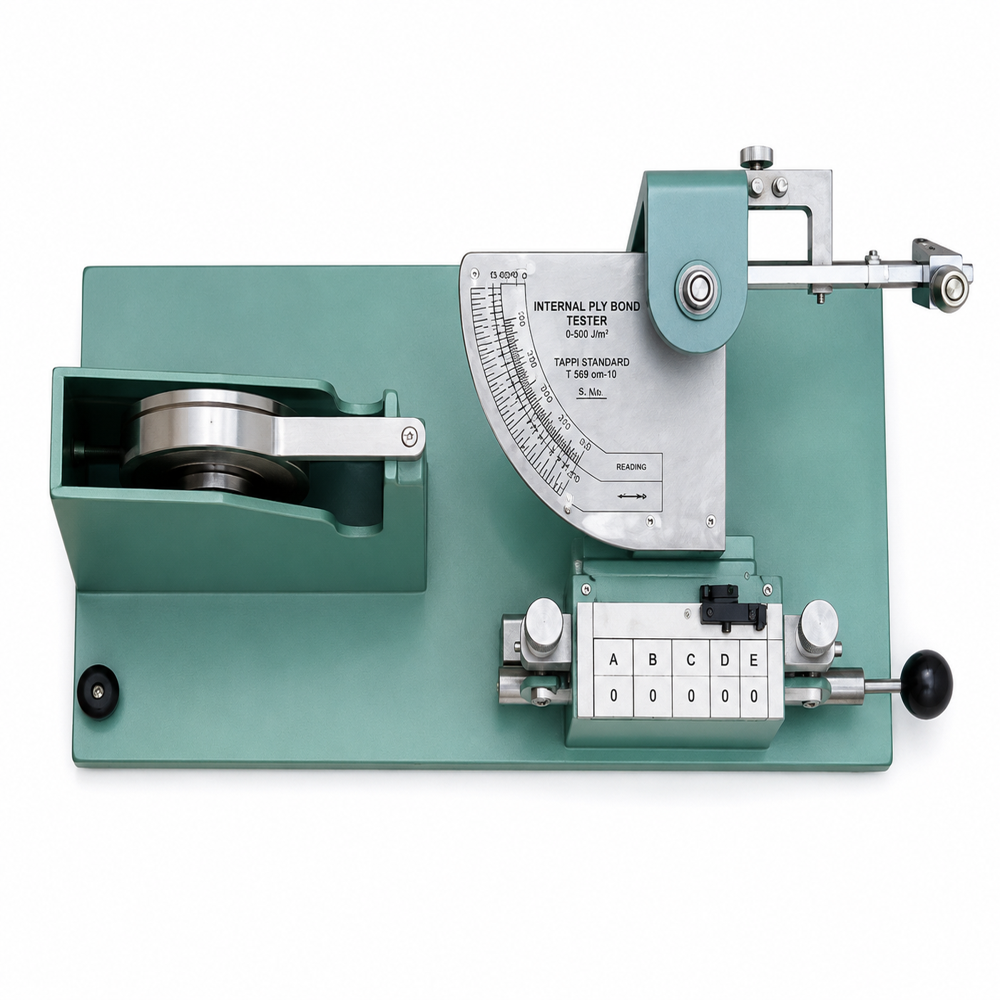
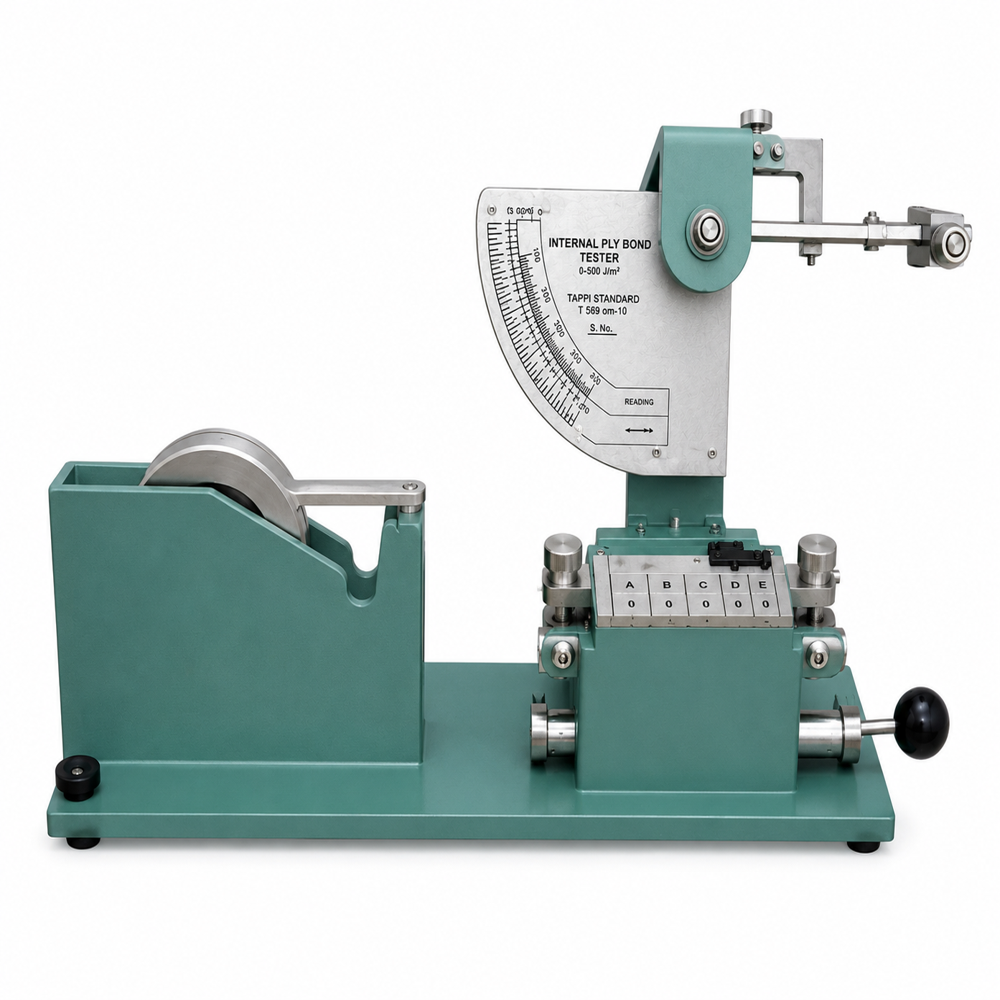
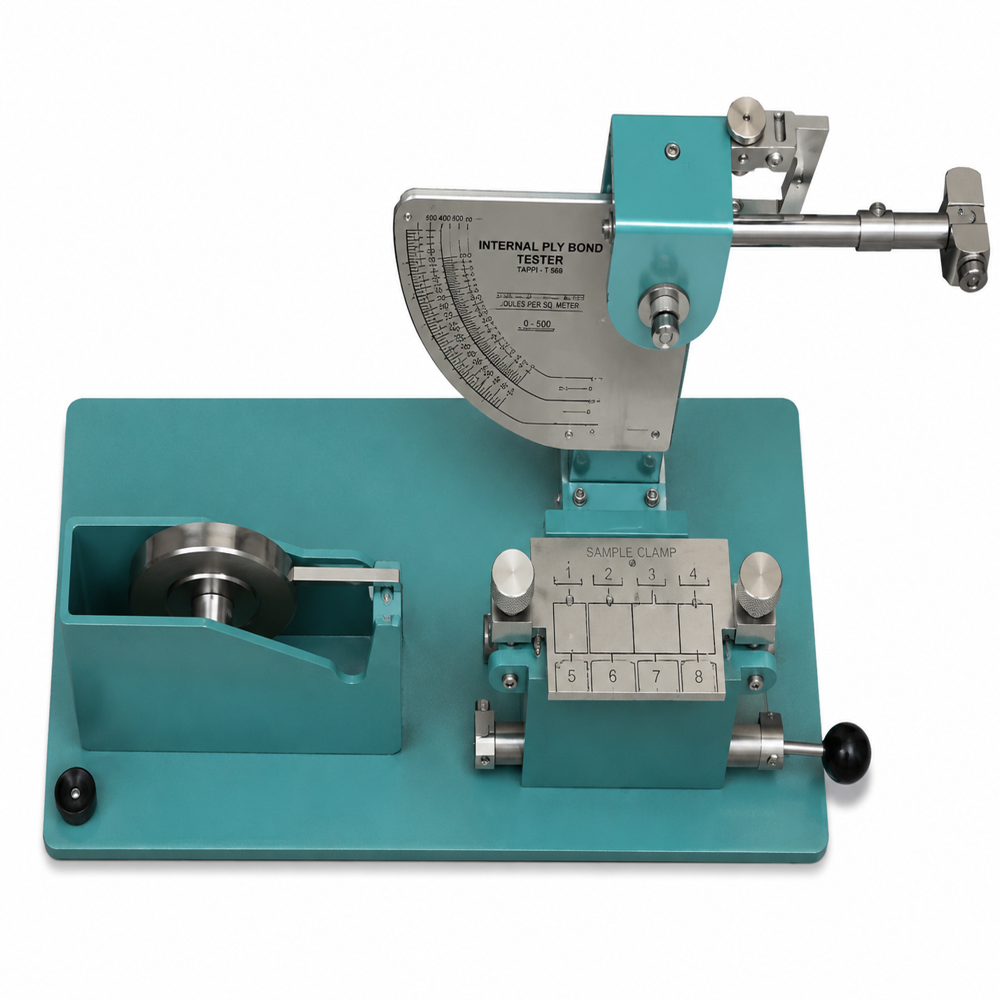
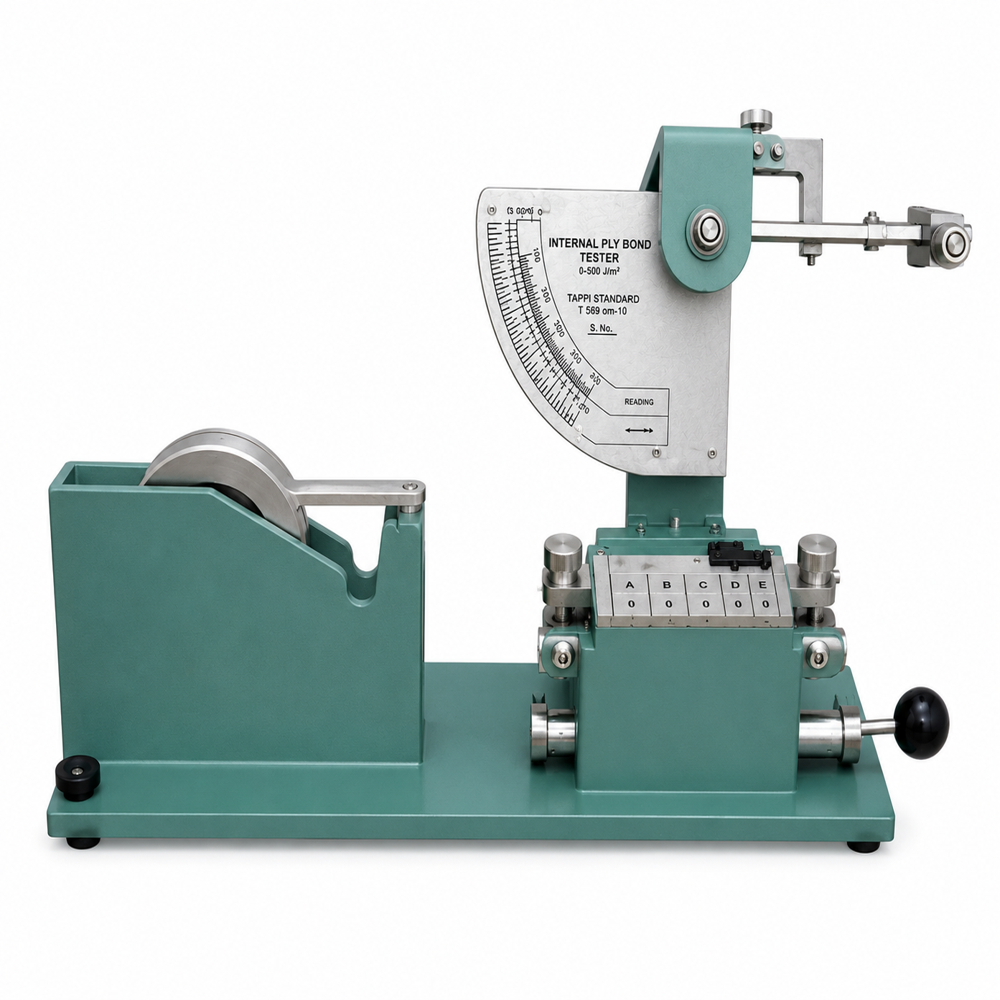
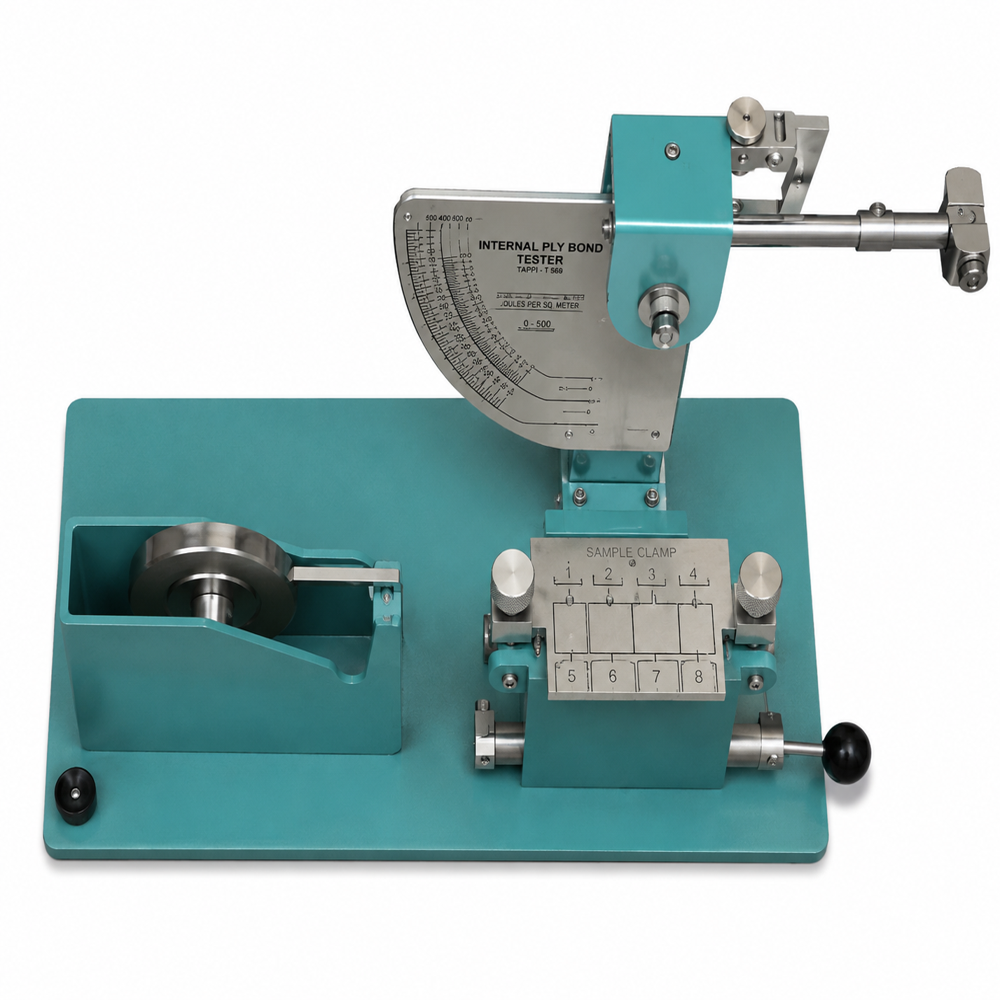
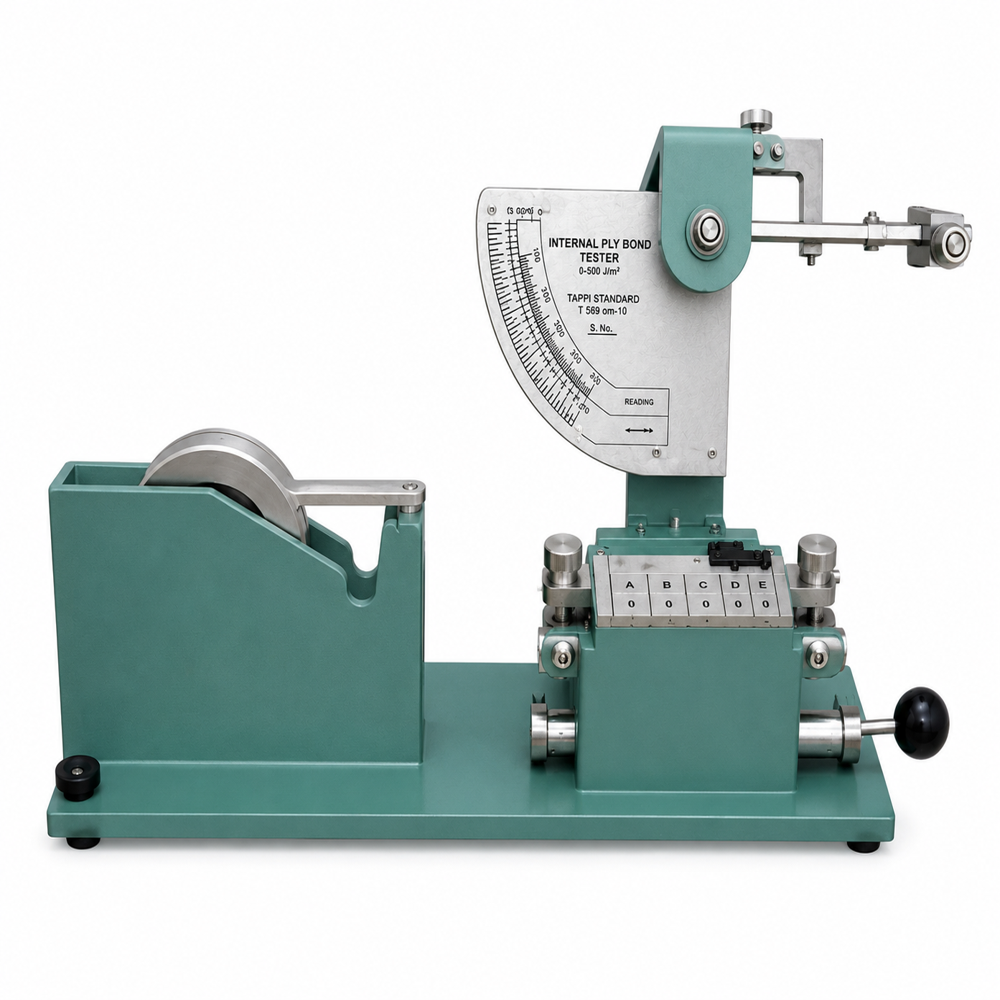
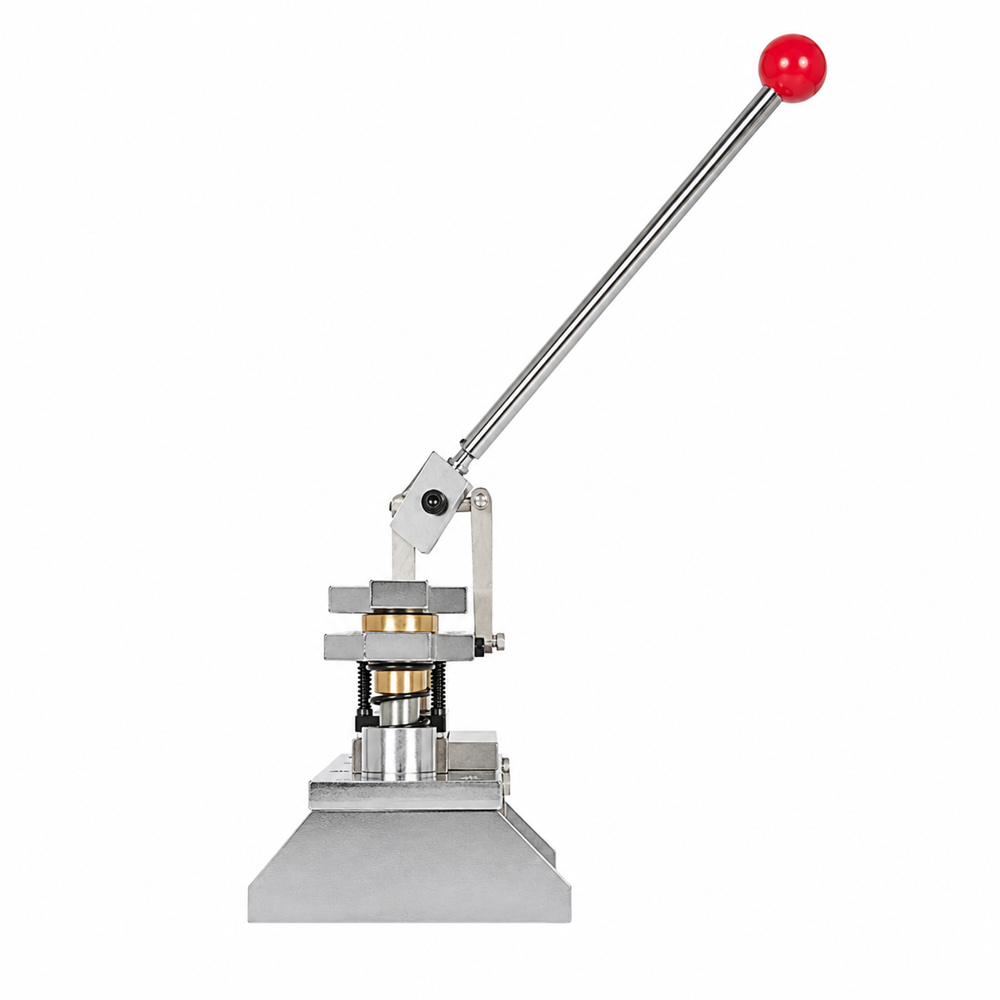
Internal Ply Bond Tester determines the internal bonding Strength of Paper, Paperboard and Laminates, by measuring the average energy in thousands of foot- pound required to delaminate the specimen in two piles. Test Description: Double sided adhesive tape is attached to the lower part of the specimen holder, then the sample strip, a second layer of adhesive tape and finally five metal angles. These is then pressed with the integrated pneumatic press and separated with the knife.
Precision Testing for Paper and BoardDesigned specifically for determining the internal ply bond strength, this tester accommodates a sample thickness from 0.05 mm to 0.7 mm, making it suitable for most types of paper and board. Its high accuracy of 0.5% of reading supports quality assurance and product development in industrial and laboratory settings.
Robust Manual Operation-No Power RequiredWith a mechanical lever and analog dial, the tester delivers consistent results without any dependency on external power sources. This feature ensures reliability in various environments, enhancing its practicality for manufacturers and laboratories that value uninterrupted testing capabilities.
Easy Setup and User-Friendly DesignThe tester's desktop mounting and rubber feet provide stability during operation, while sample preparation tools and a comprehensive instruction manual make setup and usage straightforward. The powder-coated finish and durable construction add to its longevity and ease of maintenance.
FAQ's of Internal Ply Bond Tester (Manual Type):
Q: How does the Internal Ply Bond Tester (Manual Type) measure ply bond strength?
A: The tester measures the internal ply bond strength of paper and board by applying controlled force via a manual lever. The resulting strength (in Joules/m2) is displayed using an analog pointer and mechanical digital counter, allowing precise and repeatable readings.
Q: What types of samples can this ply bond tester accommodate?
A: This model supports typical paper and board samples with thicknesses ranging from 0.05 mm to 0.7 mm, catering to the standard materials used in packaging and paper manufacturing industries.
Q: When is it necessary to calibrate the instrument?
A: The instrument is factory calibrated for immediate use, ensuring precise results upon delivery. Should recalibration be required, such as after frequent use or physical relocation, the process can be performed easily according to the instruction manual.
Q: Where should the ply bond tester be installed for optimal use?
A: It is best placed on a stable desktop in a quality control or laboratory environment. The included rubber feet help maintain stability during operation, and its compact dimensions mean it fits conveniently on most workbenches.
Q: What is the process for preparing samples before testing?
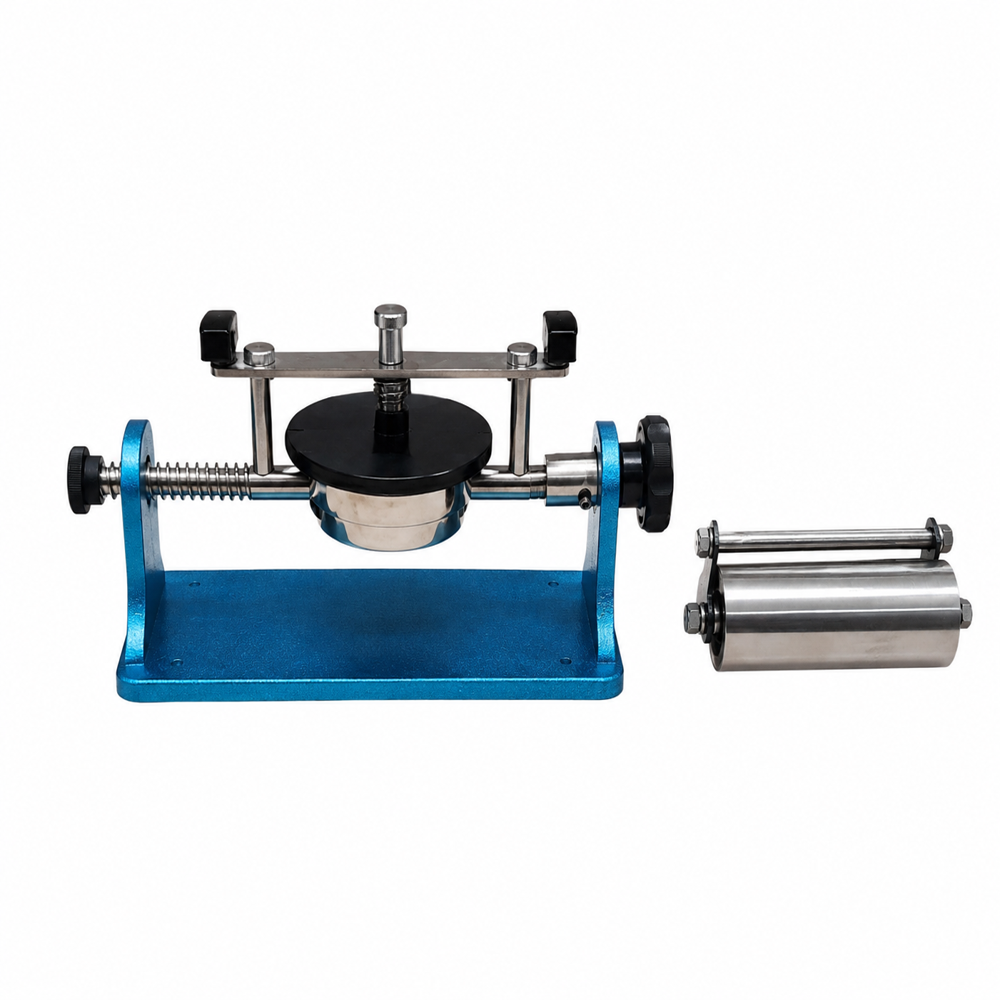
A: Sample preparation tools are included to help users cut and shape their paper or board specimens correctly. Instructions guide you through each step, ensuring accurate and consistent results every time.
Q: How does manual operation benefit the user?
A: Manual operation allows the tester to function without electrical power or voltage, making it suitable for use in any setting regardless of power availability. This also simplifies maintenance and enhances durability.
Q: What are the primary benefits of using this tester over automated alternatives?
A: Key benefits include portability, independence from electrical supply, straightforward mechanical controls for reliable long-term performance, compliance with industry standards, and minimal ongoing maintenance requirements.




 Send Inquiry

 Send Inquiry