Reflectance Meter (photo Volt Type About
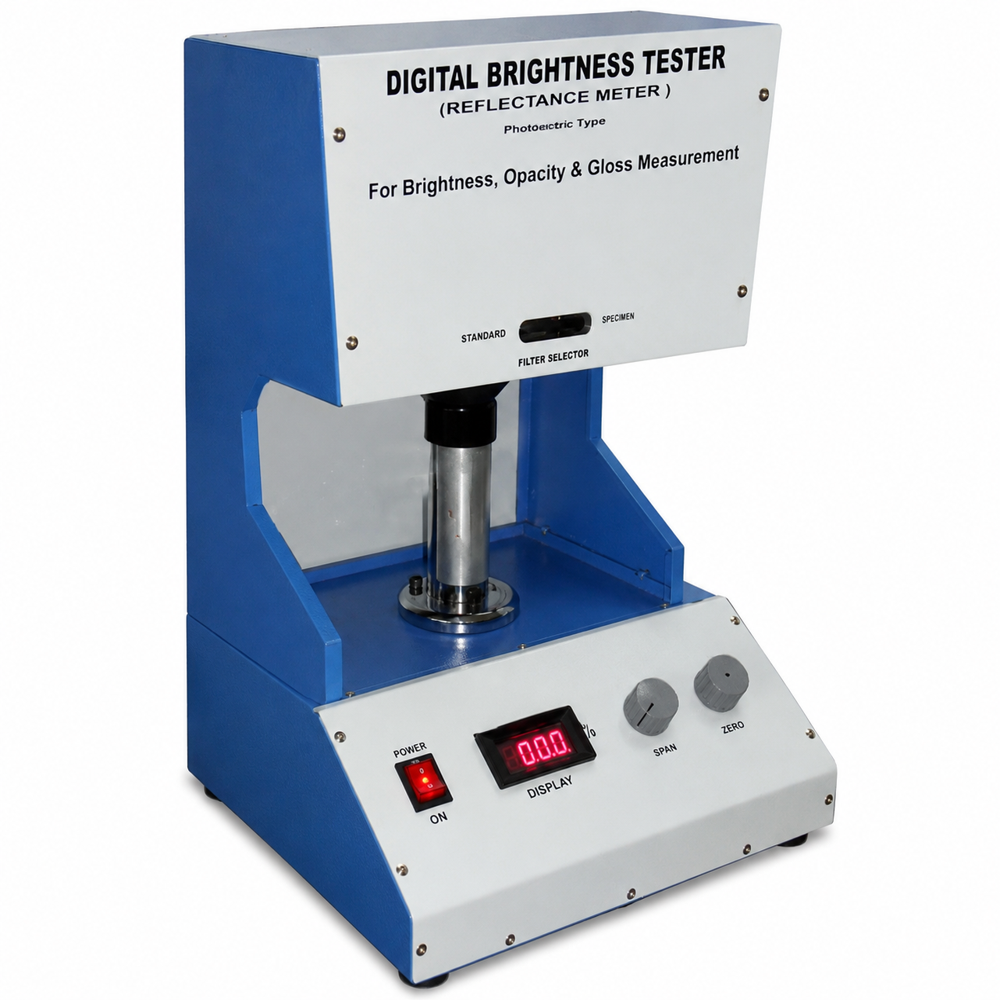
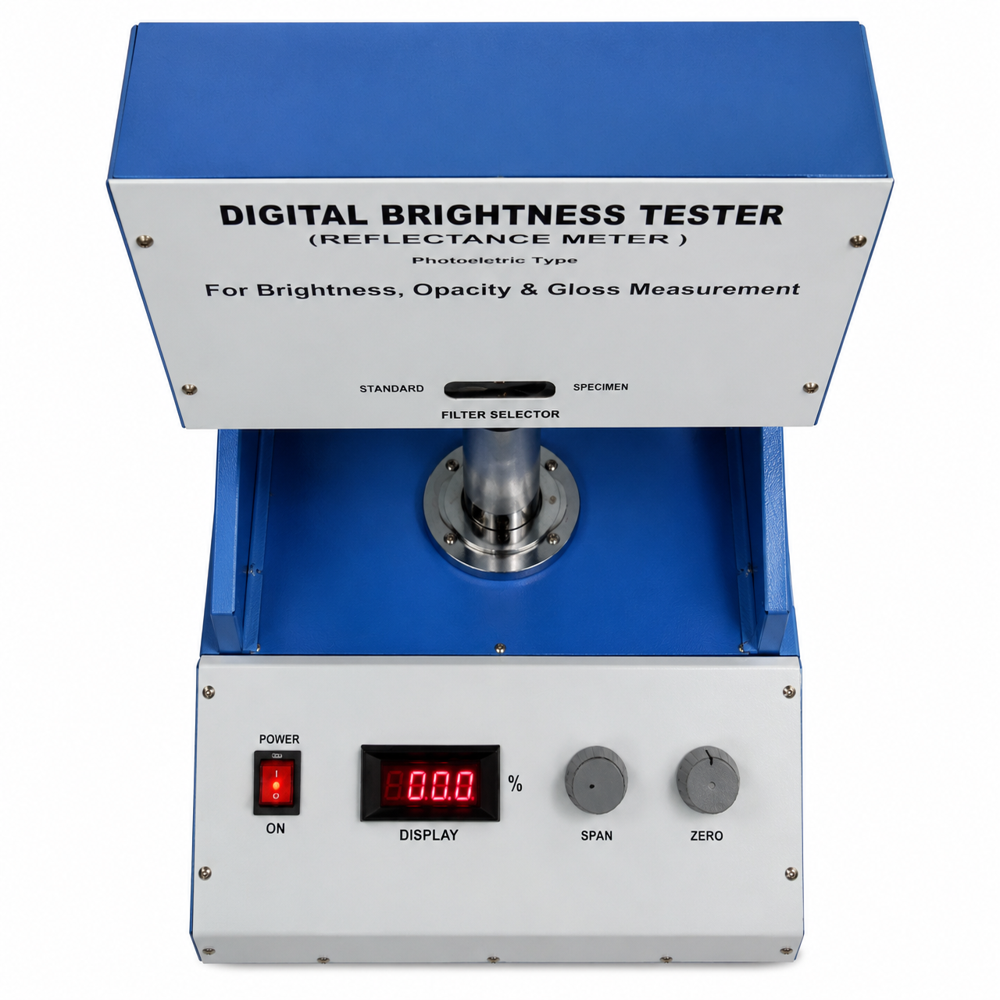
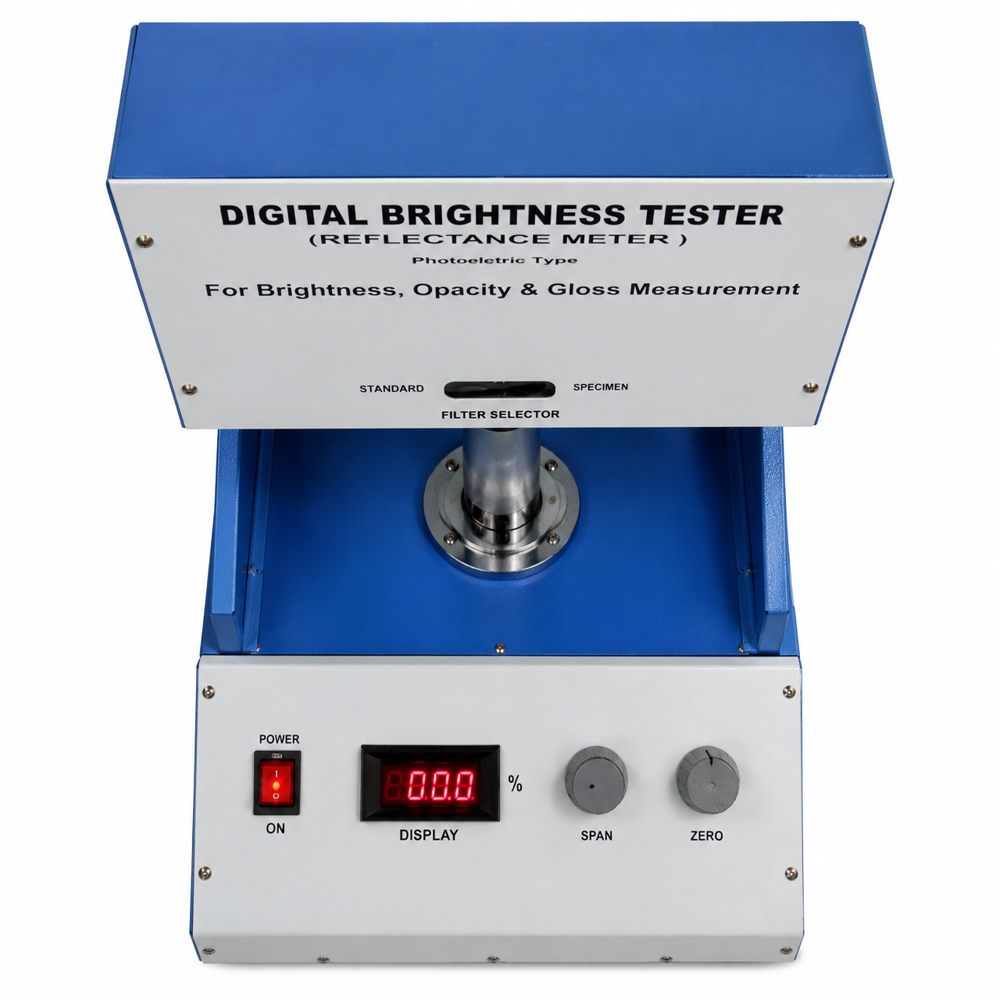
Reflectance Meter is a modern instrument for electronically measuring and digitally presenting the Brightness, Opacity and Gloss of the paper and other material by angular reflectance. It gives precision measurements with less than 0.5 % FS deviation between the instruments.
Dependable Reflectance MeasurementEngineered for accurate reflectance analysis in paper, paperboard, and pulp, this meter ensures your samples meet strict quality standards. Its high accuracy and advanced photo volt technology provide reliable results, making it invaluable for laboratories and quality control departments.
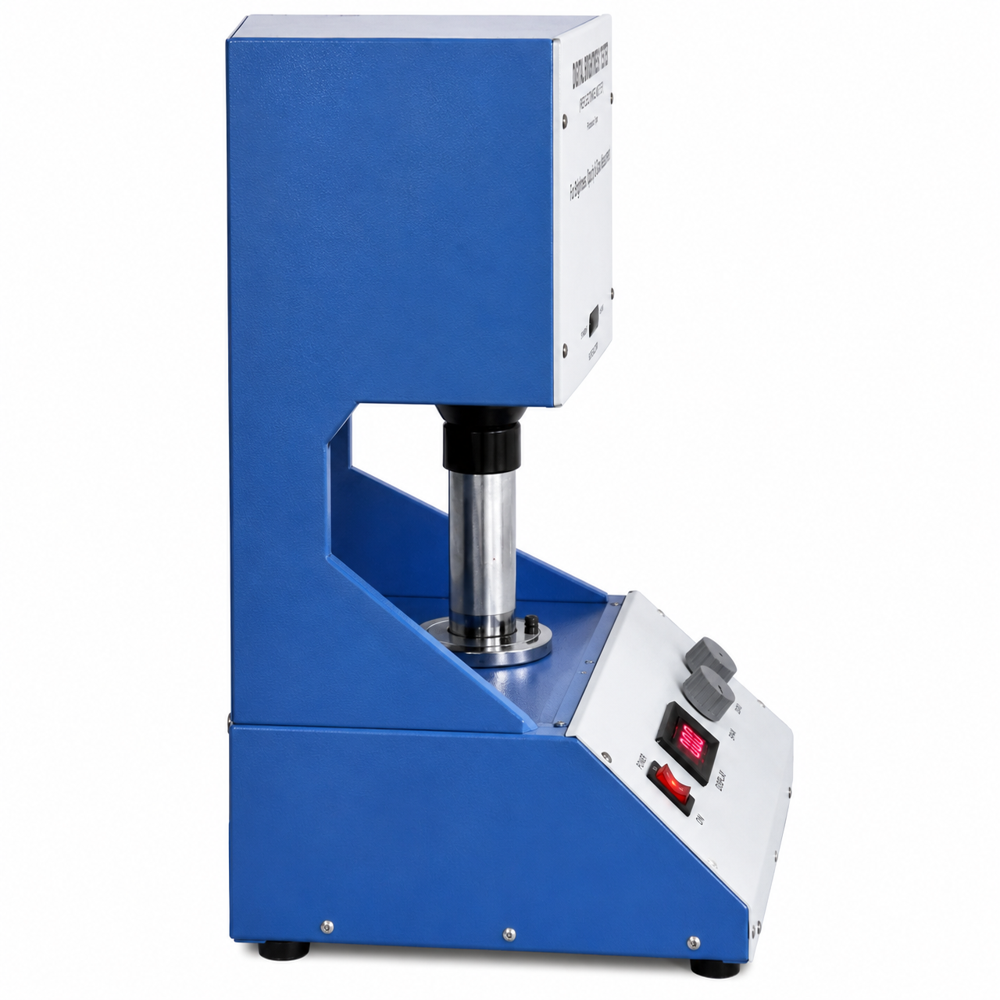
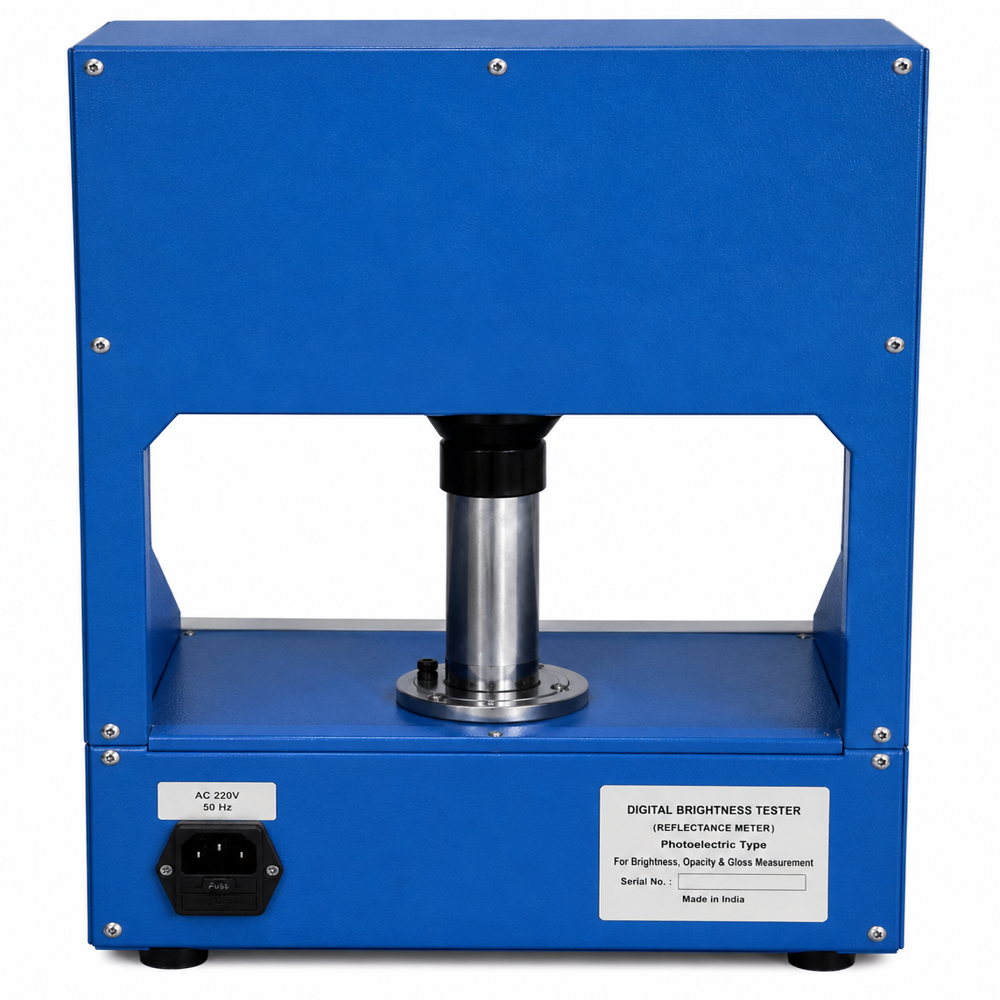
Robust and Lasting BuildCrafted from either mild steel or stainless steel, and finished in a distinctive blue and white casing, this instrument is designed for durability. The meter withstands regular laboratory use while maintaining precise operation throughout its lifespan.
User-Friendly Design for LaboratoriesWith dimensions of 45x40x60 cm, the Reflectance Meter fits well within standard lab setups. Its intuitive controls and stable power supply (230 V AC) make it straightforward to operate, ensuring efficient workflows and minimal training requirements for laboratory staff.
FAQ's of Reflectance Meter (photo Volt Type:
Q: How does the Reflectance Meter operate for measuring paper or pulp samples?
A: The Reflectance Meter uses photo volt technology to measure the proportion of light reflected by paper, paperboard, or pulp samples, providing a digital readout with 0.5% accuracy. Simply place the sample on the designated area and follow the on-screen instructions.
Q: What materials are used in the construction of the Reflectance Meter?
A: This instrument is built with mild steel or stainless steel for the main structure, ensuring durability and corrosion resistance, and is offered in a blue and white finish.
Q: Where is the Reflectance Meter typically used?
A: The meter is widely used in laboratories for quality control in manufacturing facilities, research institutions, and by suppliers in the paper, paperboard, and pulp industries.
Q: What is the process for testing samples with this device?
A: To test a sample, place the material on the sample holder, initiate the measurement according to the user guide, and the device will automatically record and display the reflectance value.
Q: When should you calibrate or maintain the meter?
A: Regular calibration is recommended based on laboratory standards or after extensive use. Maintenance should be conducted according to the manufacturer's guidelines to retain optimal accuracy.
Q: What benefits does this reflectance meter offer over manual or less advanced methods?
A: This instrument delivers precise and repeatable results, saving time and reducing human error. Its high accuracy ensures consistent product quality and streamlines quality assurance processes.




 Send Inquiry

 Send Inquiry